Visible needs. Practical interventions. Community-level impact.
This section presents the humanitarian and development priorities reflected in the RIGD framework. Project reporting should be expanded here as activities are documented and verified.
Priority areas.
Use these project categories as the public-facing structure for future project stories, results, photographs and community feedback.
Build the evidence around the work.
Each published project record should identify the location, need addressed, intervention, partners, beneficiaries, delivery date and available outcomes.
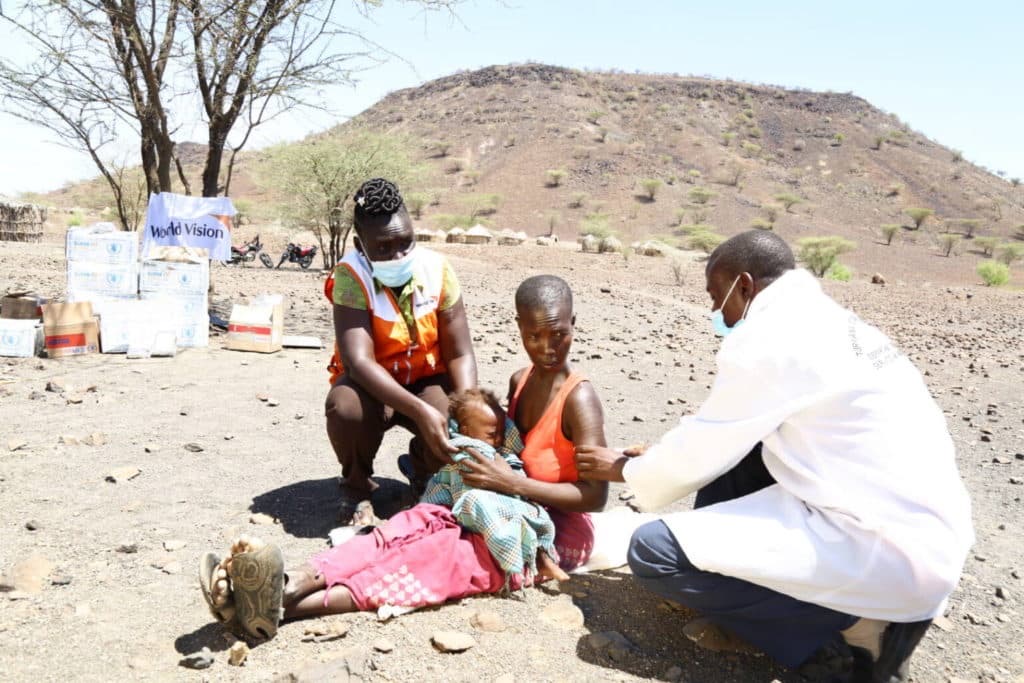
Relief & vulnerable households
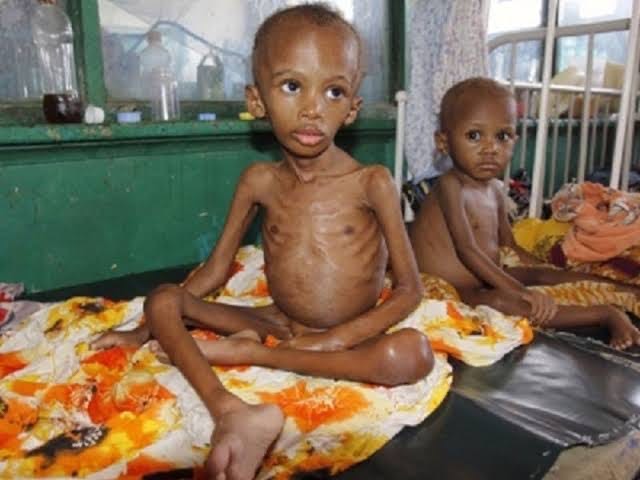
Food, water, clothing, shelter and targeted support for people facing acute hardship.
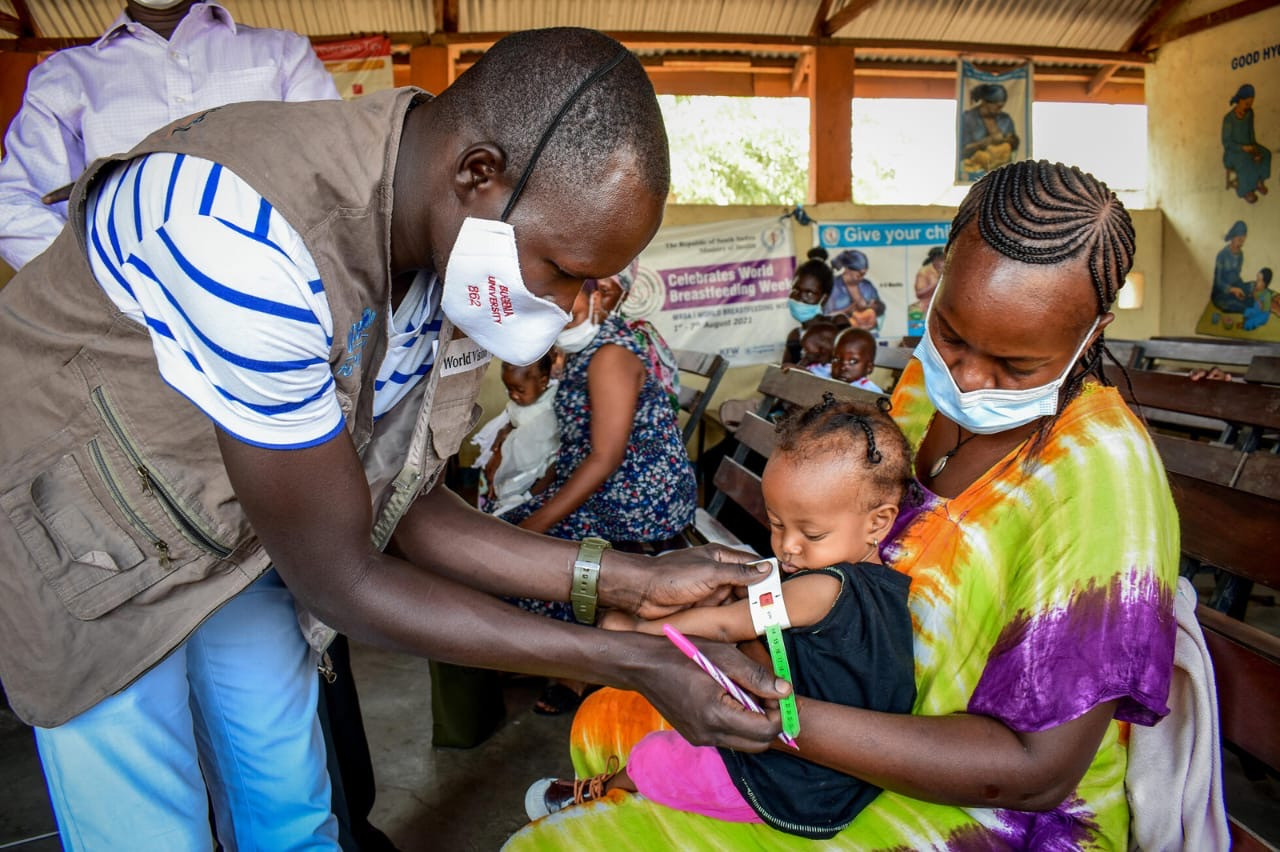
Medical outreach
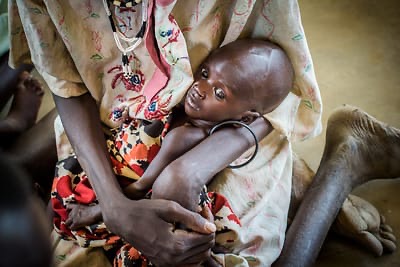
Screening, health education, referrals and access-support activities delivered with appropriate professionals.
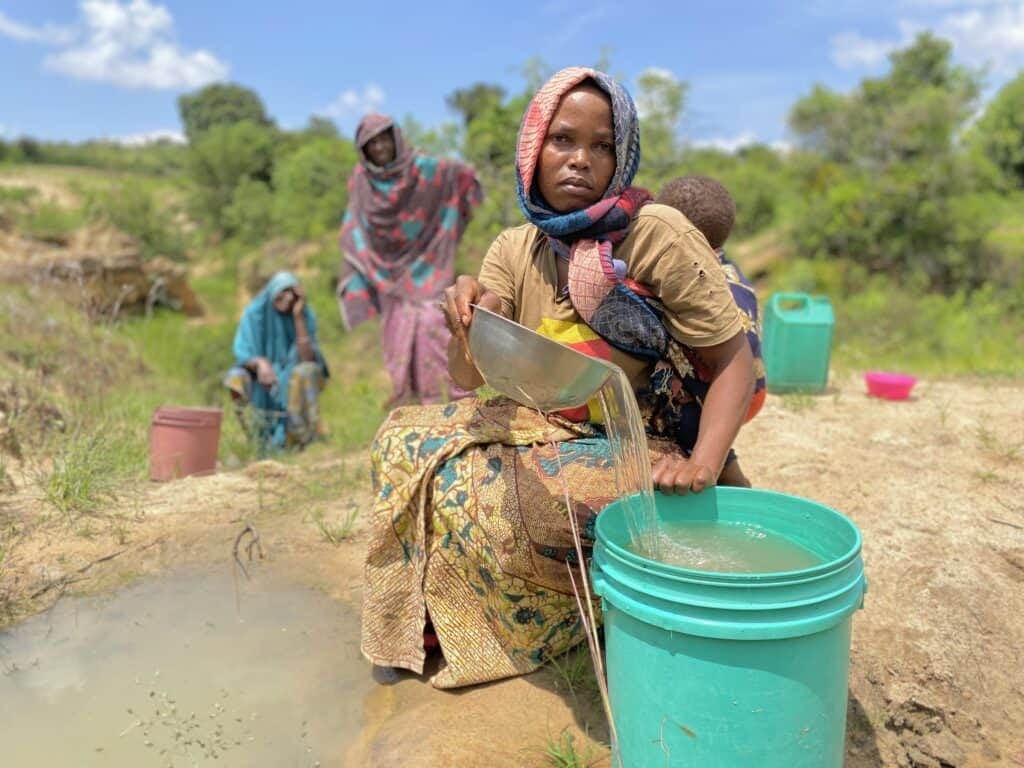
Water & sanitation
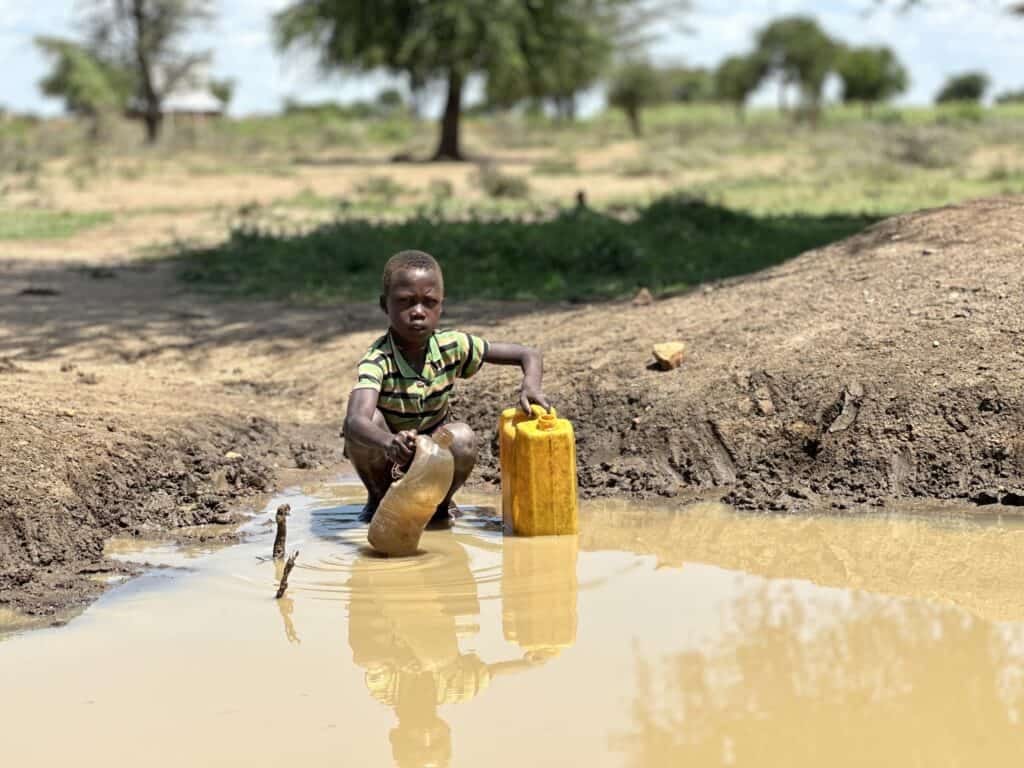
Community responses to unsafe water sources, sanitation gaps and public-health risks.
Learning support
Scholarships, learning materials, facility support and literacy activities for underserved learners.
Skills & enterprise
Vocational training, financial literacy, starter support and mentorship for economic self-reliance.
Local resilience
Community facilities, environmental awareness, peaceful coexistence and locally owned development initiatives.
Project stories should show what changed.
As RIGD documents completed interventions, this page can evolve into a searchable portfolio with project dates, locations, partner information, beneficiaries and outcome evidence.
Submit a project / partnership enquiry